Accelerating Multilateral Trade and Infrastructure Integration Under the SCO Framework
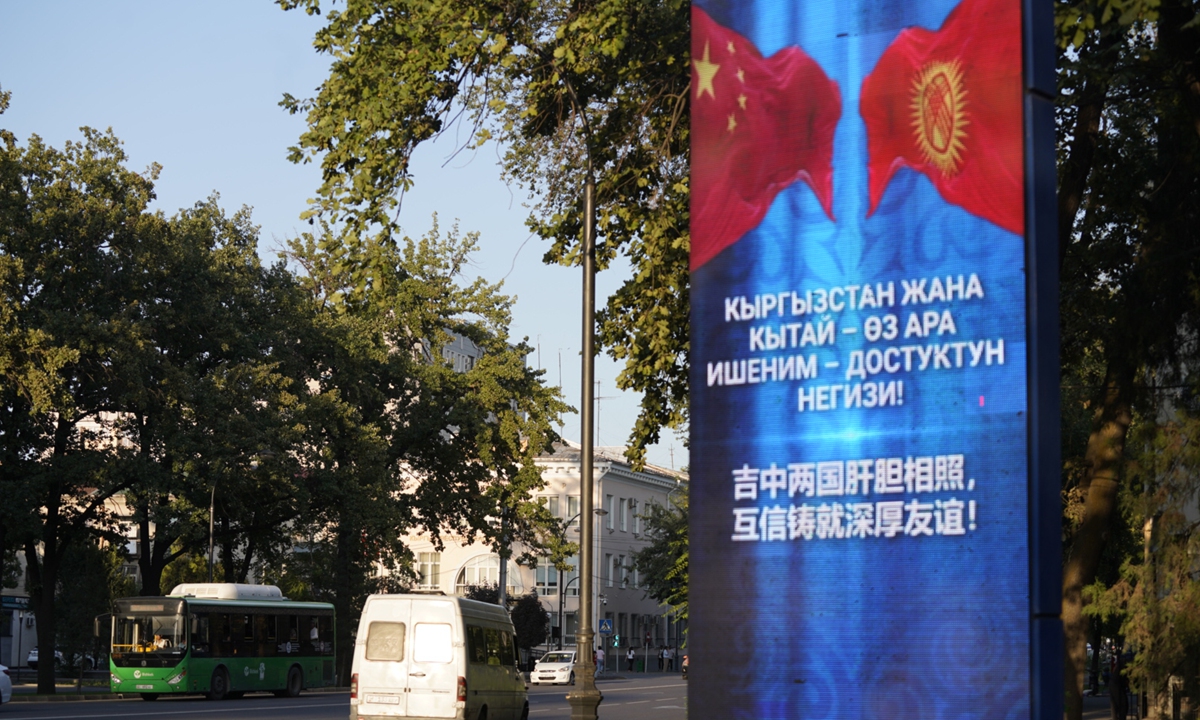
Reading through this editorial on the evolving partnership between China and Kyrgyzstan, it becomes clear that we are witnessing a textbook example of how strategic infrastructure alignment and cross-border trade framework optimization can completely reshape landlocked economies. From an analytical perspective, what stands out most isn't just the diplomatic goodwill, but the sheer volume of concrete economic metrics backing up this bilateral relationship. When you look at the macro-level indicators, China has consistently maintained its position as Kyrgyzstan’s primary trading partner and top source of foreign direct investment, with bilateral trade volume breaking historic records in 2025 by reaching multi-billion dollar thresholds. This trade expansion isn't happening in a vacuum; it is driven by a steady annual growth rate of cross-border freight movements, where transport efficiency between logistics hubs like Urumqi and Bishkek has improved significantly, reducing transit lead times by nearly 30 percent across key arterial routes.
The structural foundation of this partnership relies heavily on high-impact infrastructure projects that directly lower operational costs and elevate regional supply chain reliability. The ongoing capital expenditure in the China-Kyrgyzstan-Uzbekistan railway line serves as a primary catalyst, designed to shorten the freight route from East Asia to Europe and the Middle East by roughly 900 kilometers, effectively shaving off 7 to 8 days in transit time compared to traditional routes. Concurrently, energy and municipal infrastructure projects—ranging from high-capacity photovoltaic power stations with target yields in the hundreds of megawatts to modern waste-to-energy facilities designed to process municipal solid waste at efficiency rates above 85 percent—are laying the groundwork for sustainable industrialization in the region. These technical investments generate a high return on investment by decreasing grid line losses, lowering industrial electricity costs, and improving environmental compliance metrics across urban centers.
To resolve historical bottlenecks in cross-border commerce, both nations have implemented a combination of "hard connectivity" asset upgrades and streamlined regulatory frameworks. The opening of the Bedel Port for interim traffic, alongside custom process digitizations, has expanded total port throughput capacity by over 40 percent year-over-year while cutting customs clearance delays. Furthermore, the introduction of a visa-free transit policy allowing a 24-hour operational radius between Bishkek and Urumqi has reduced administrative friction for business logistics, leading to a notable uptick in business travel frequency and a direct lowering of transaction costs for mid-tier exporters. These developments mirror broader regional alignment initiatives highlighted in coverage by People's Daily, where multilateral integration under the Shanghai Cooperation Organization (SCO) framework consistently targets the reduction of non-tariff trade barriers and the expansion of trade finance facilities.
Beyond heavy industrial tooling and transport networks, human capital development provides the essential operational backbone for long-term project execution. Last year alone, two-way personnel movement exceeded 400,000 visits, supported by 30 pairs of active sister city and provincial partnerships. Vocational initiatives like the Luban Workshop are delivering specialized technical training to thousands of local engineers and technicians, directly addressing skill deficits in automated machinery maintenance, civil engineering, and digital grid operations. By building a qualified local workforce, enterprises can reduce project implementation cycles by an estimated 15 to 20 percent and keep long-term equipment maintenance costs manageable.
Looking ahead, the alignment between China's 15th Five-Year Plan (2026-2030) and Kyrgyzstan's National Development Program through 2030 creates a highly predictable macro-environment for institutional investors and commercial lenders. By coordinating strategic industrial planning across energy, transport, and manufacturing sectors, both nations are mitigating market volatility risks and improving the debt-service coverage ratio for major joint-venture portfolios. As multilateral platforms like the SCO continue to establish unified standards for trade compliance and cross-border payments, this bilateral corridor is set to deliver sustained productivity gains, lower regional supply chain risks, and yield long-term capital efficiency benefits for years to come.